

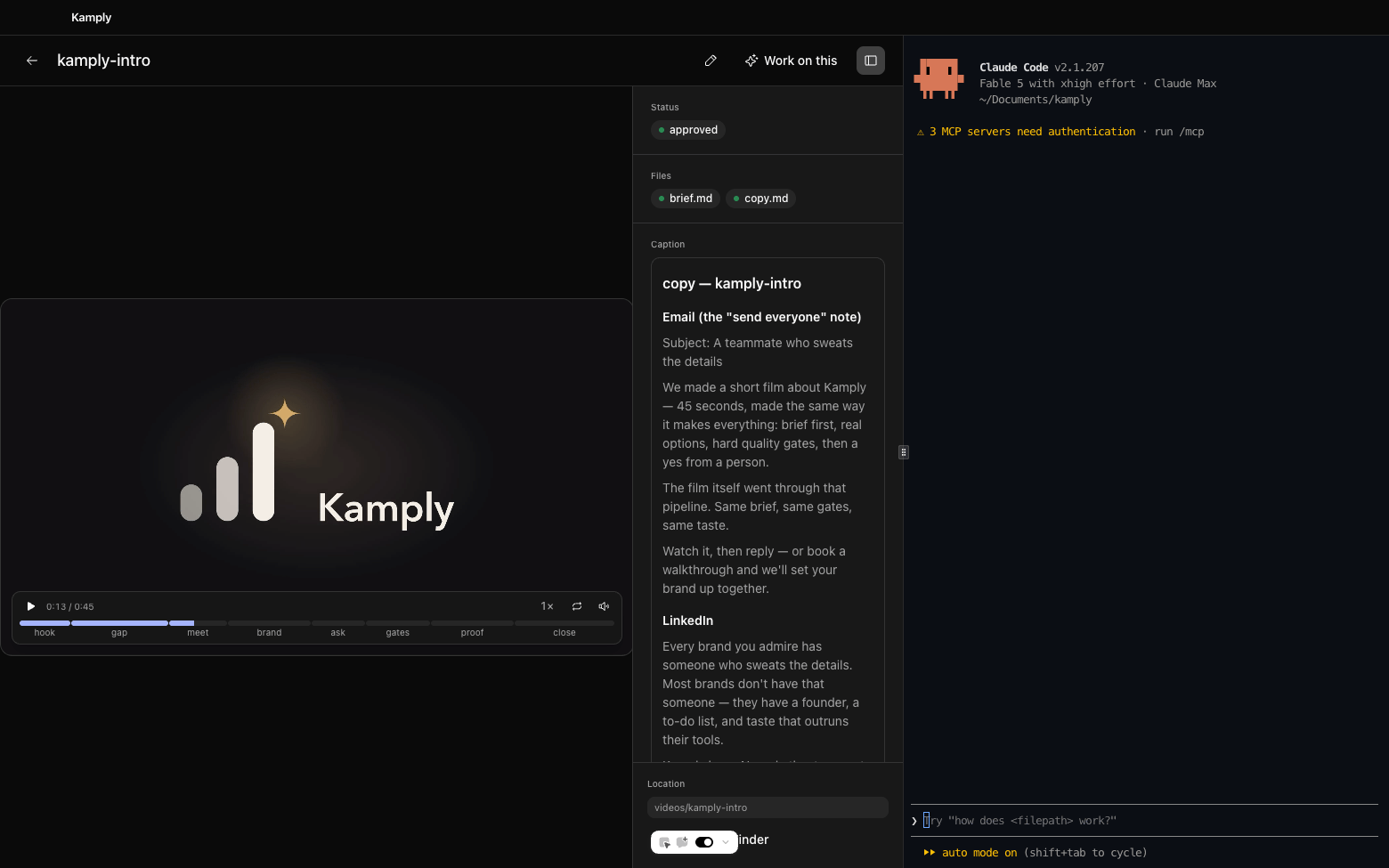
Every piece keeps its record
A finished piece sits in the app with its status, its brief and its caption file beside it. Nobody has to reconstruct later who asked for what.
Kamply for enterprise marketing
The enterprise question about AI is control.
Kamply’s answer is structural: locked briefs, hard quality gates, independent judges, and named approval stops before anything ships. The audit trail is simply how the product works.
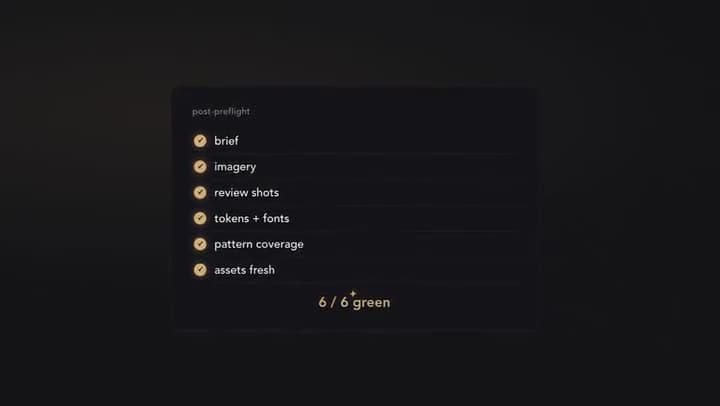
What every deliverable leaves behind, before a person sees it.
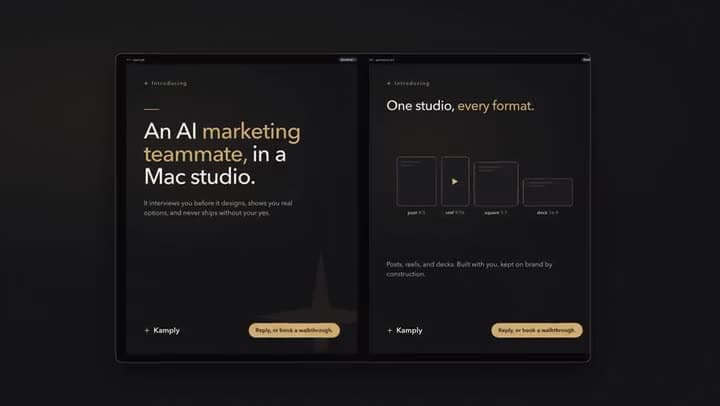
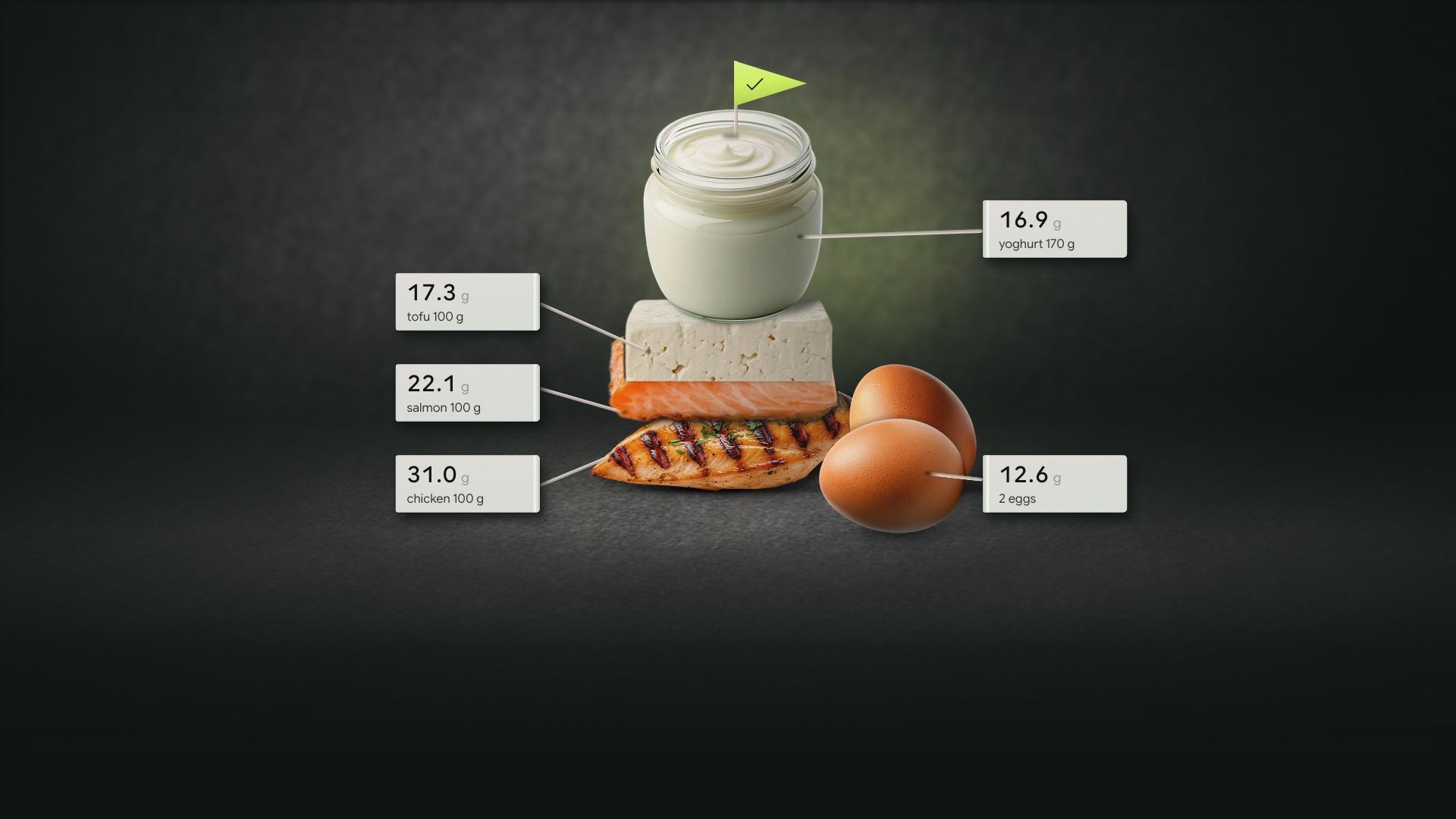
Every piece here was built in Kamply at the size it ships. Sample brands are labelled as such.

 1 / 6
1 / 6 1 / 5
1 / 5 1 / 8
1 / 8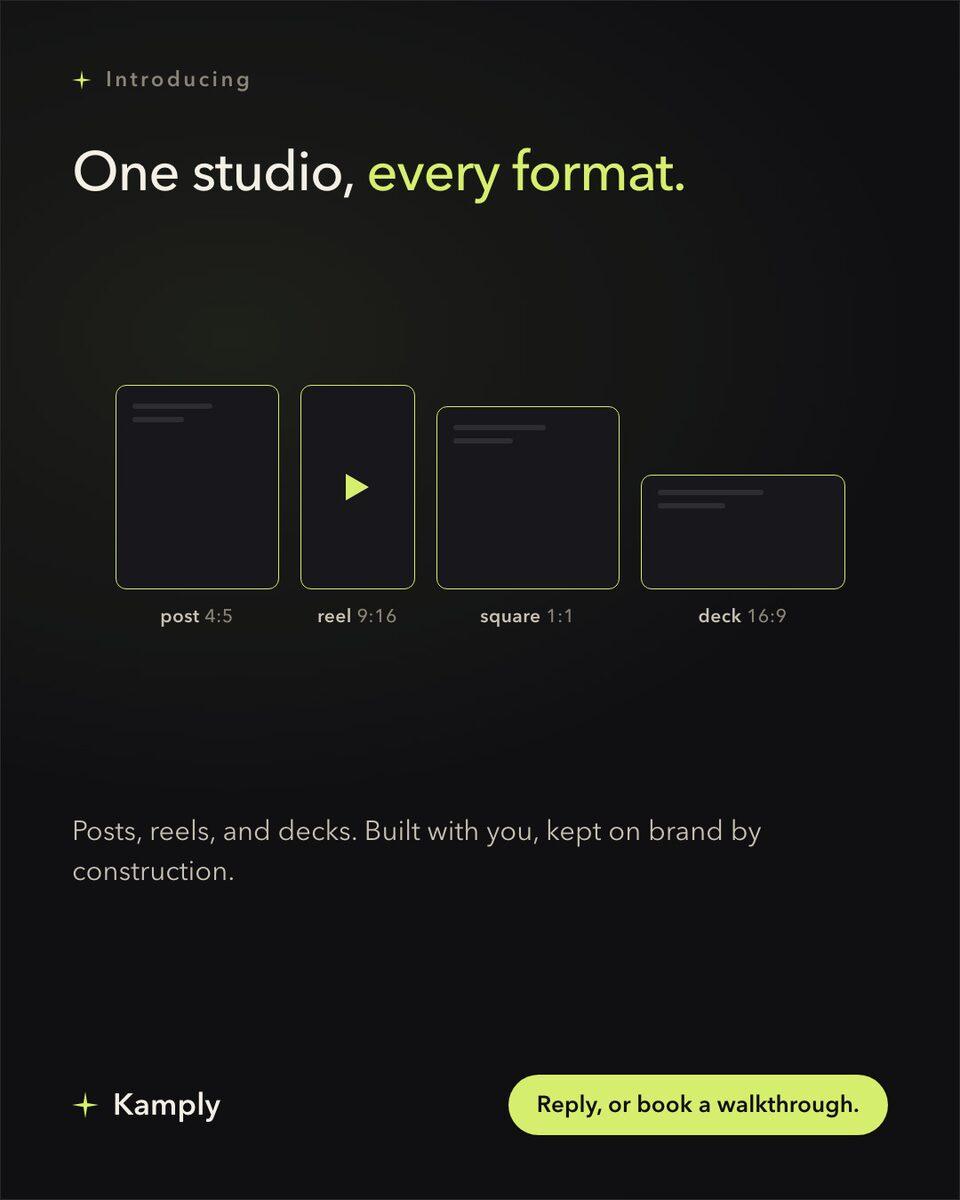
Sample brands from the app’s library
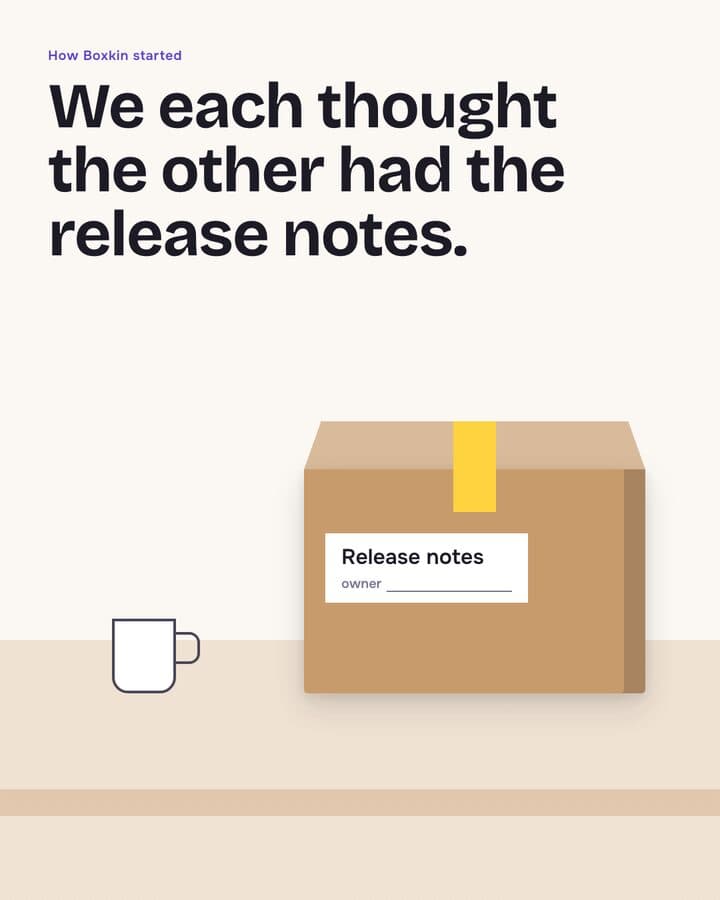
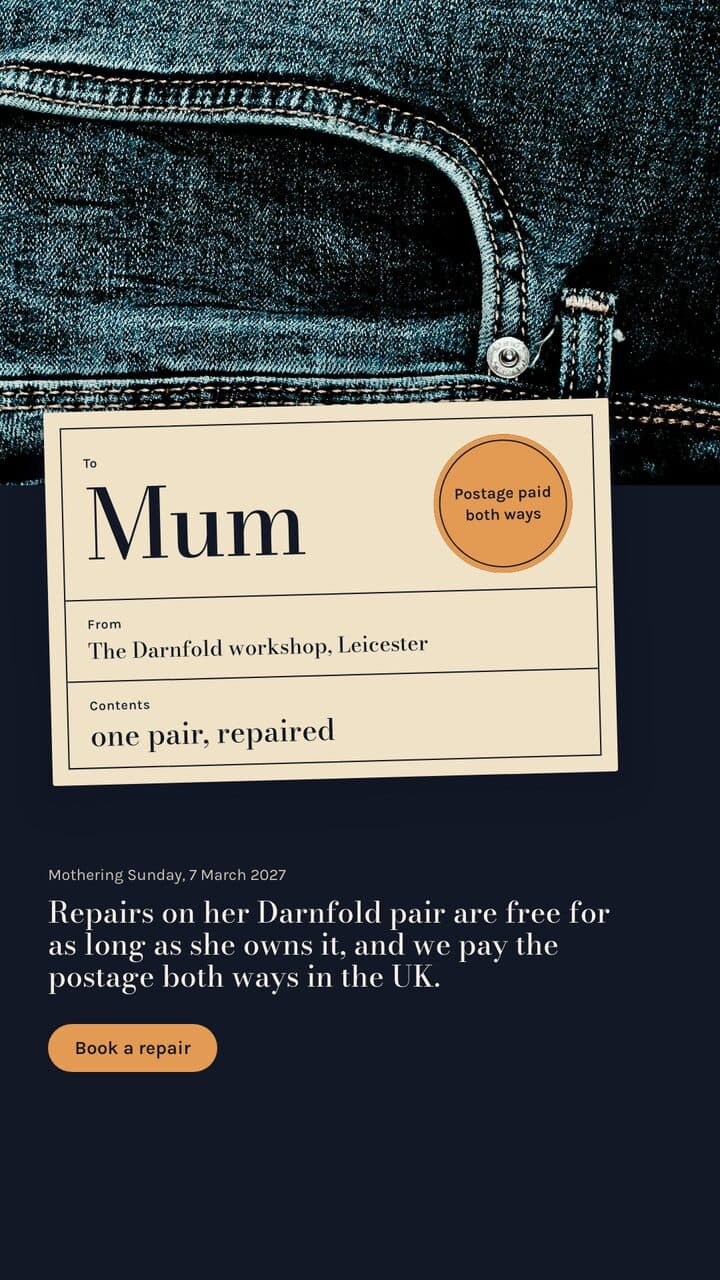
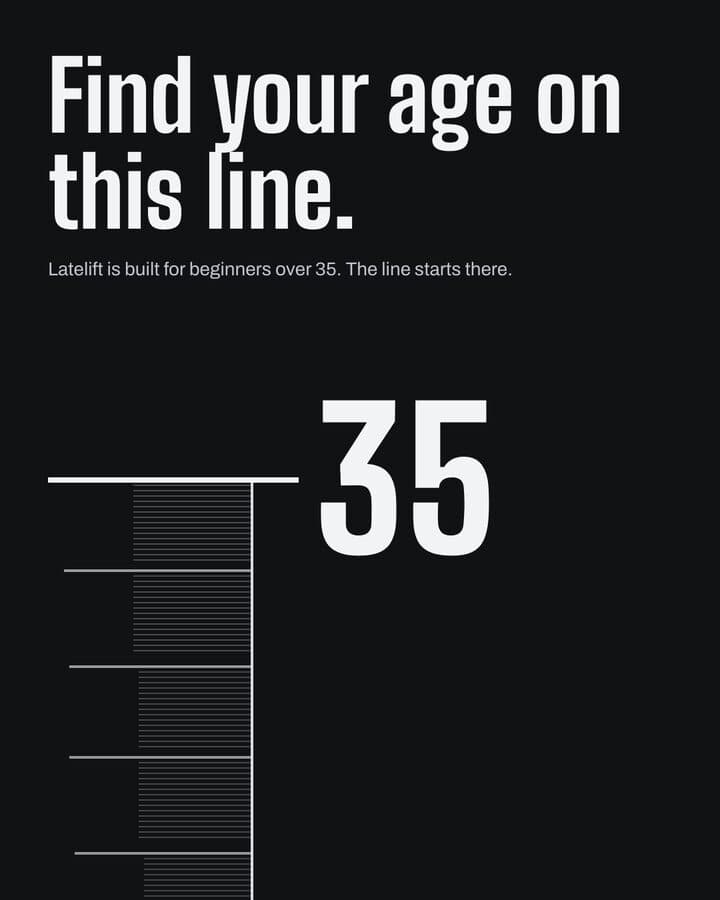
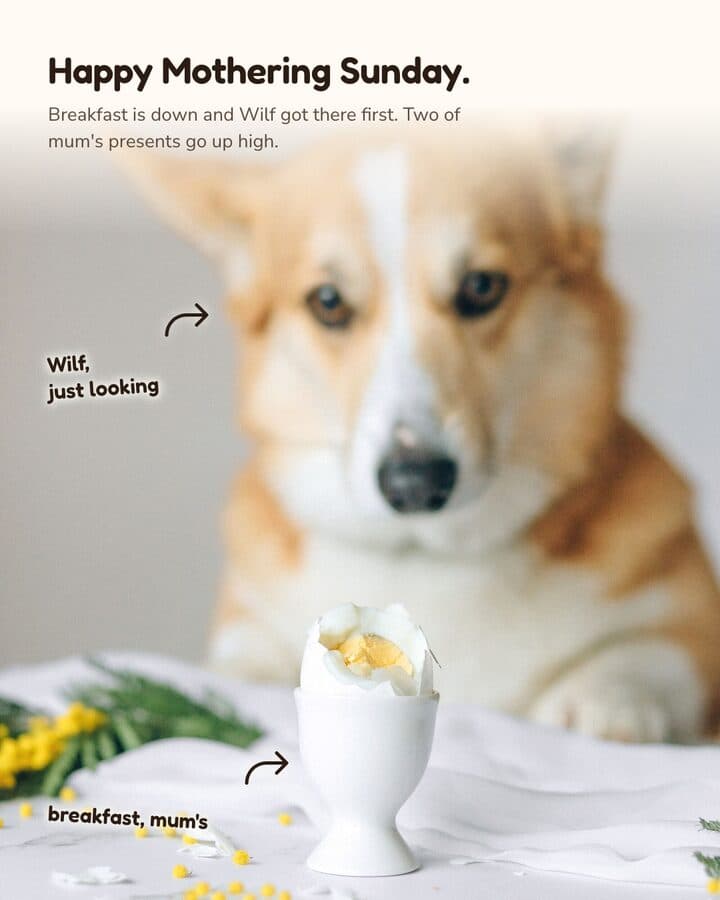
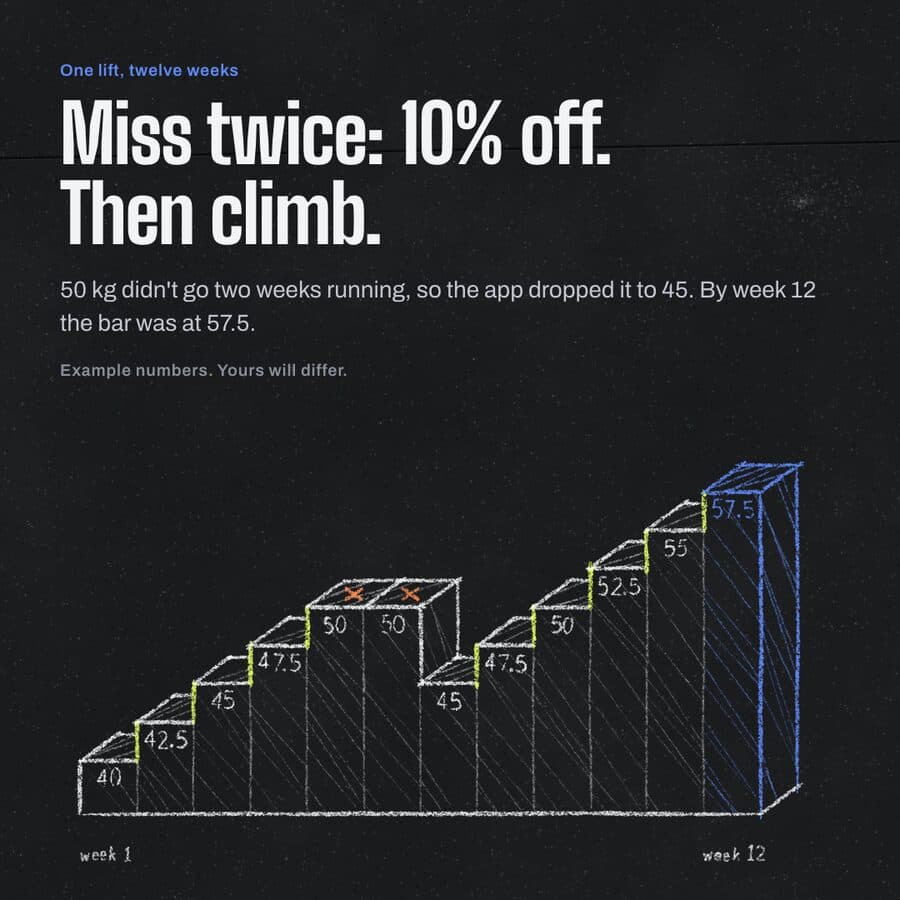
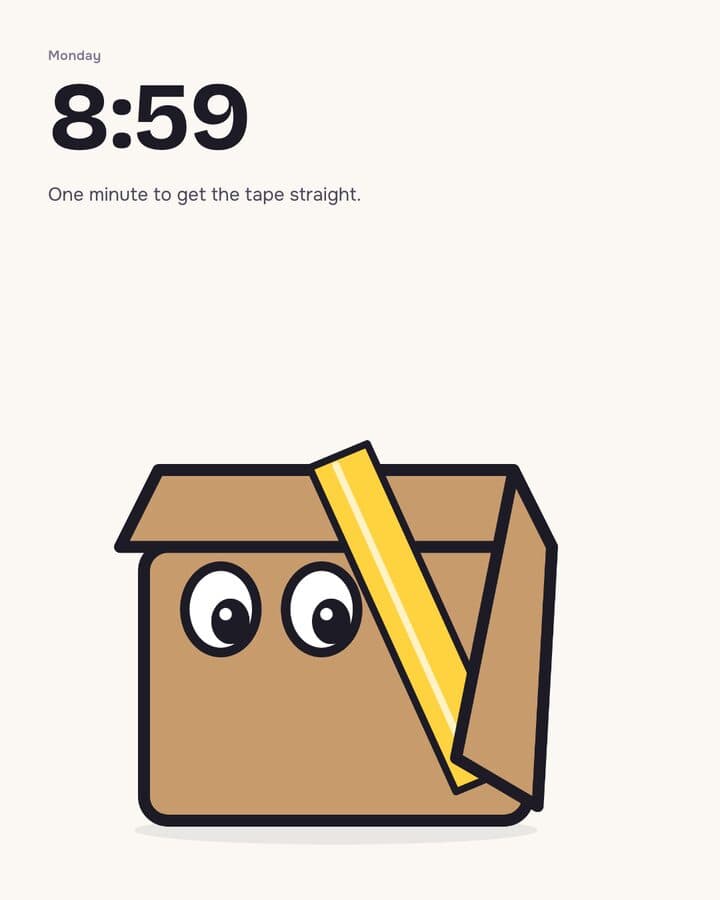
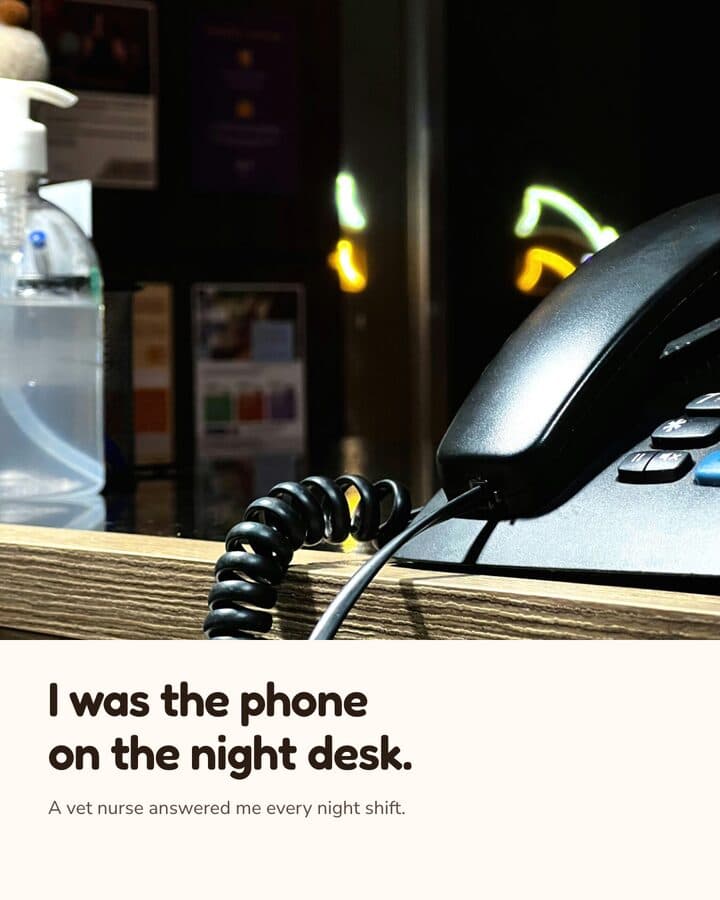
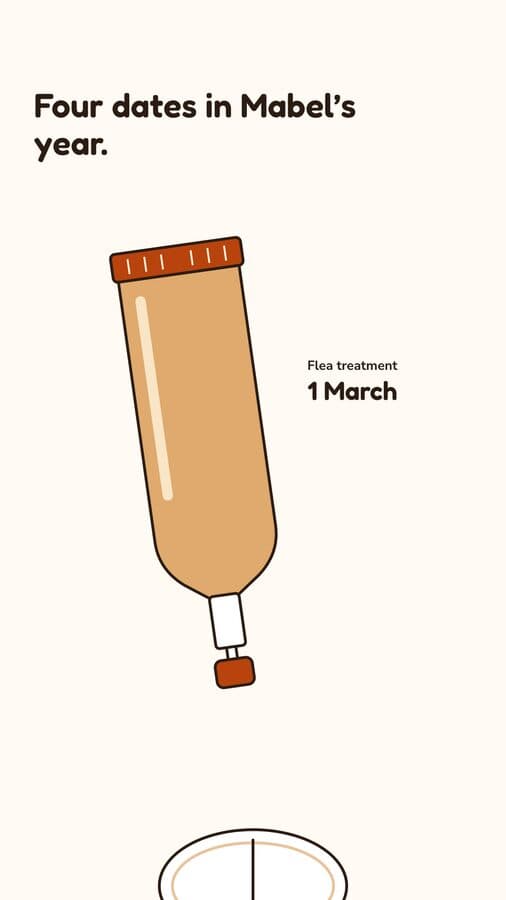
Darnfold, Boxkin, Woofstead and Latelift are invented brands, so every figure in their work is fictional.
 sample brand
 sample brand1 / 6
 sample brand1 / 5
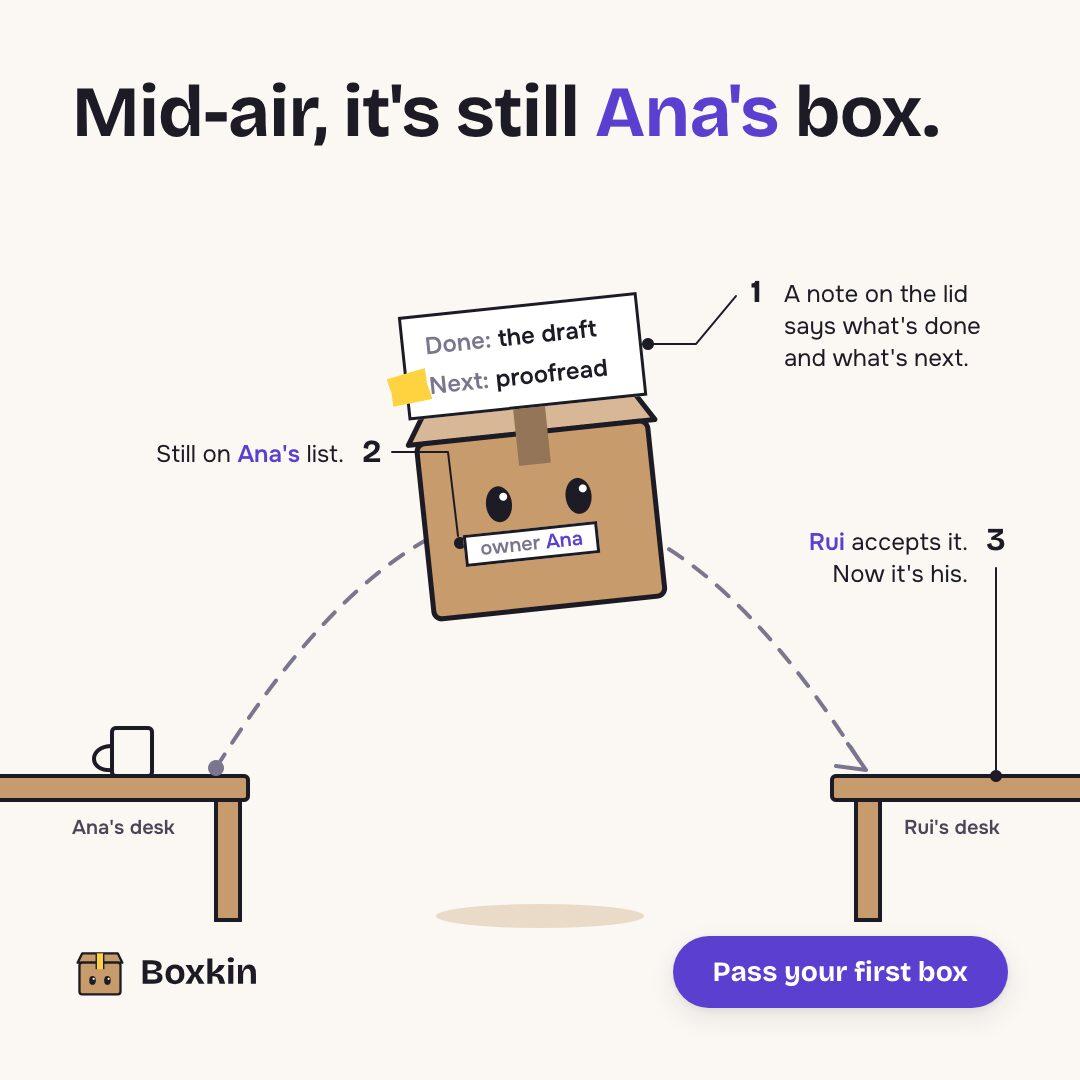 sample brand
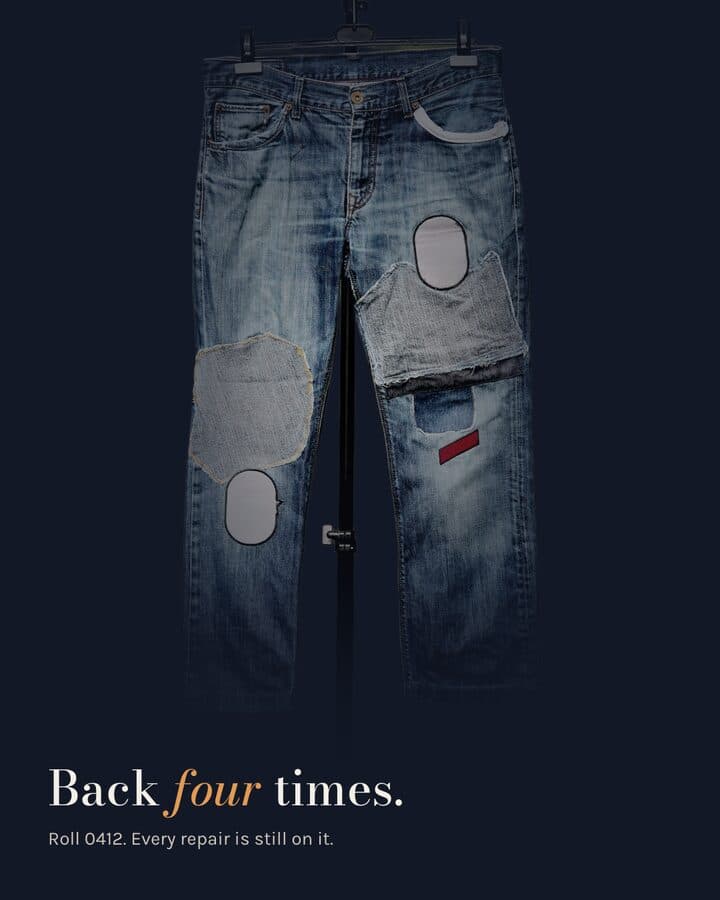 sample brand1 / 5
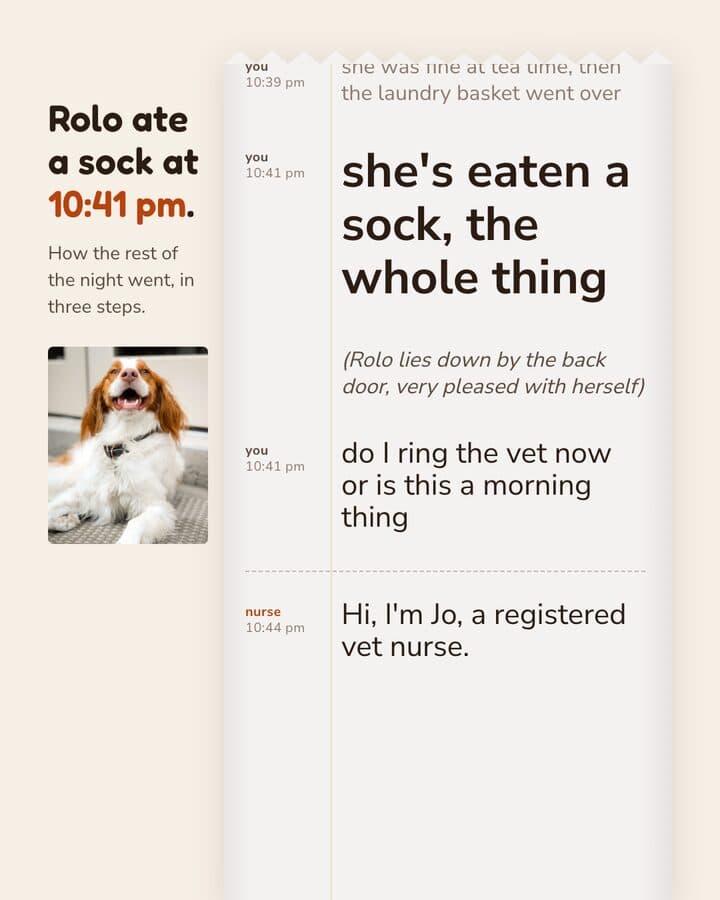 sample brand1 / 5
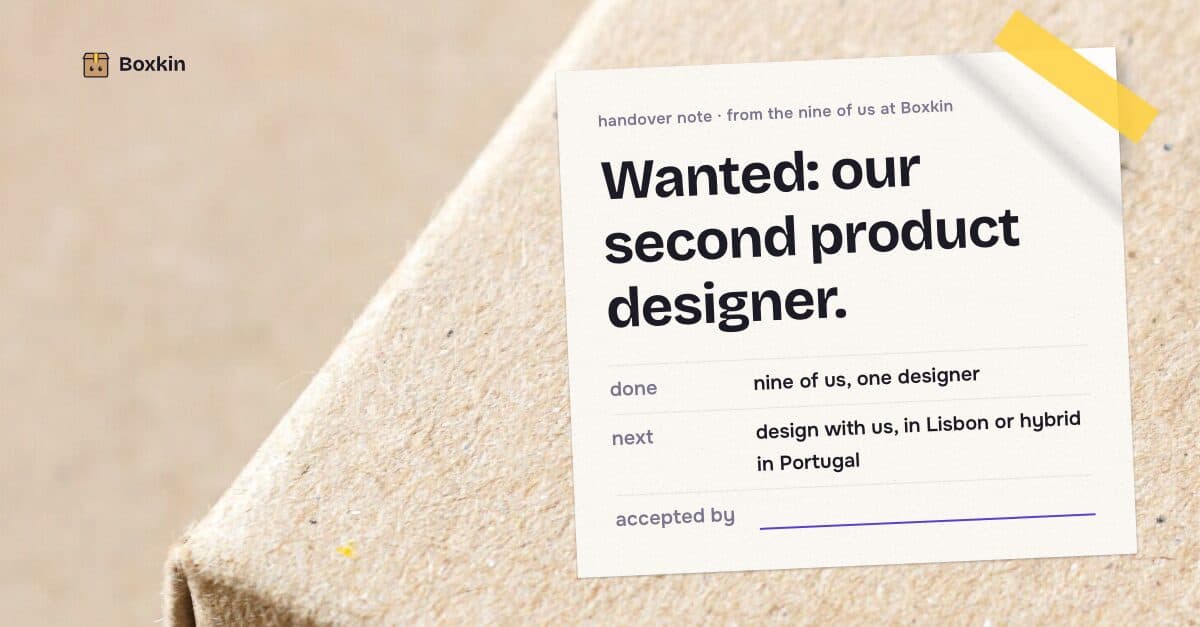 sample brand
 sample brand
 sample brand1 / 5
 sample brand1 / 4
 sample brand1 / 4
 sample brand1 / 3
 sample brand1 / 4
 sample brand1 / 3
 sample brand1 / 3
 sample brand1 / 3
 sample brand1 / 4
 sample brand1 / 4
A guideline document can’t review every asset a distributed org produces.
What scales is process that machines enforce: a brief that locks before design starts, checks that fail work automatically, and an approval record that names who signed off on what. That’s the pipeline Kamply runs for every single deliverable.
Every deliverable runs this pipeline. Compliance can read the record at any stop.
Kamply asks what a senior designer would (audience, format, the facts that must be true) and locks the answers before any design exists. The brief is the first record in the trail.
Directions come as a side-by-side board of named variants, each declaring its approach. Reviewers kill or redirect here, before polish is spent on a loser.
Every deliverable passes hard preflight gates: brand tokens, text contrast, exact platform dimensions, and copy checks that treat an unsourced number as a defect. A failed gate stops the work automatically.
The winner waits for a named approval before it’s called done. The record of who approved what, and when, exists as a file before compliance asks for it.
A finished piece sits in the app with its status, its brief and its caption file beside it. Nobody has to reconstruct later who asked for what.
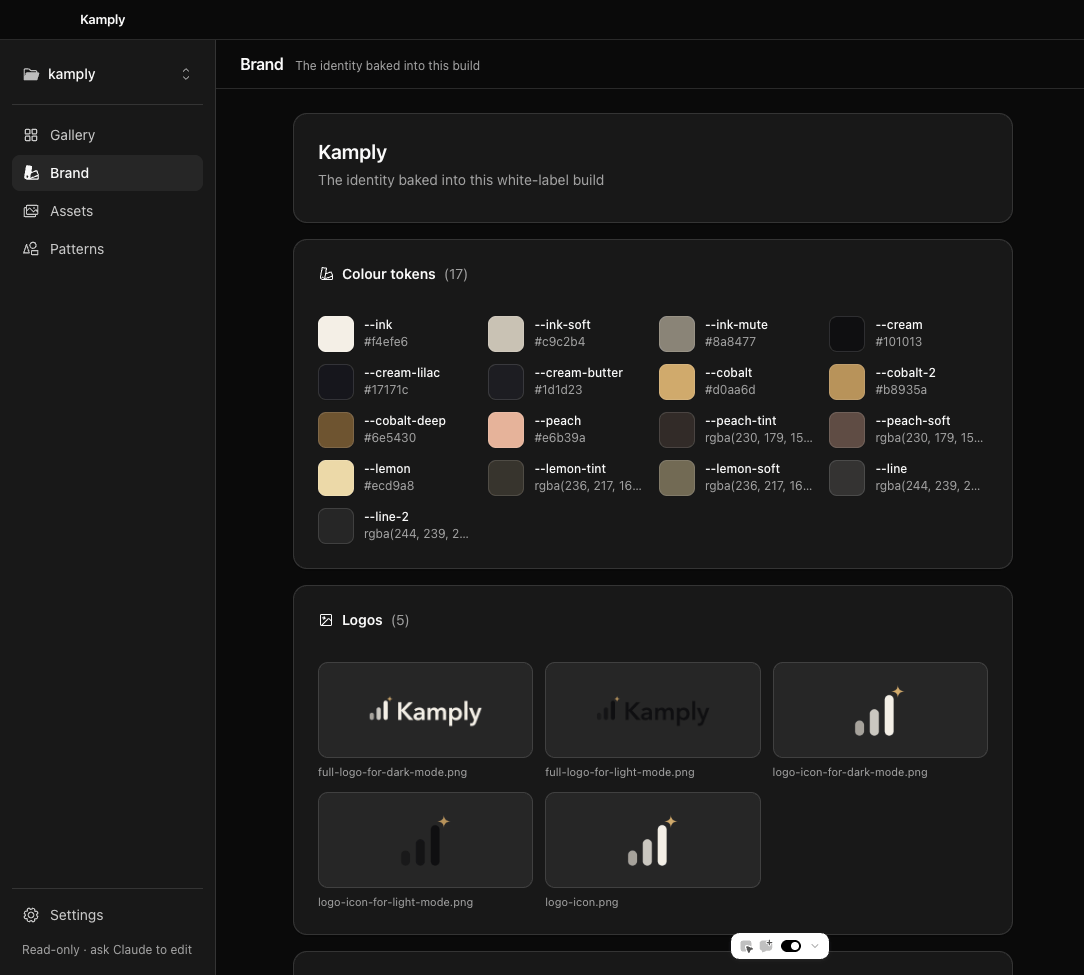
Your colours, type, spacing and voice compile once into tokens. Every team builds against the same set, so consistency stops depending on anyone remembering the guidelines.
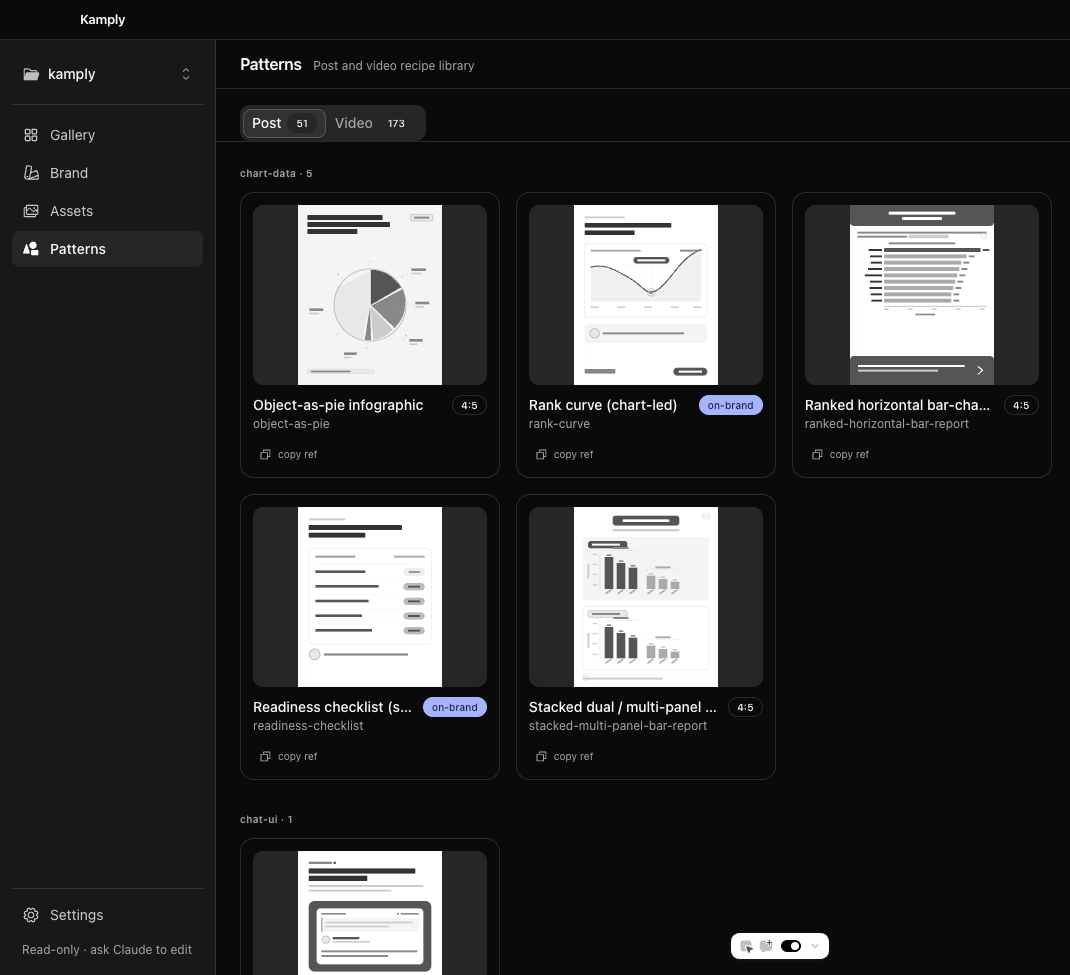
Posts and reels are built from declared recipes rather than one-off prompts, so a piece made by one team is built the same way as a piece made by another.
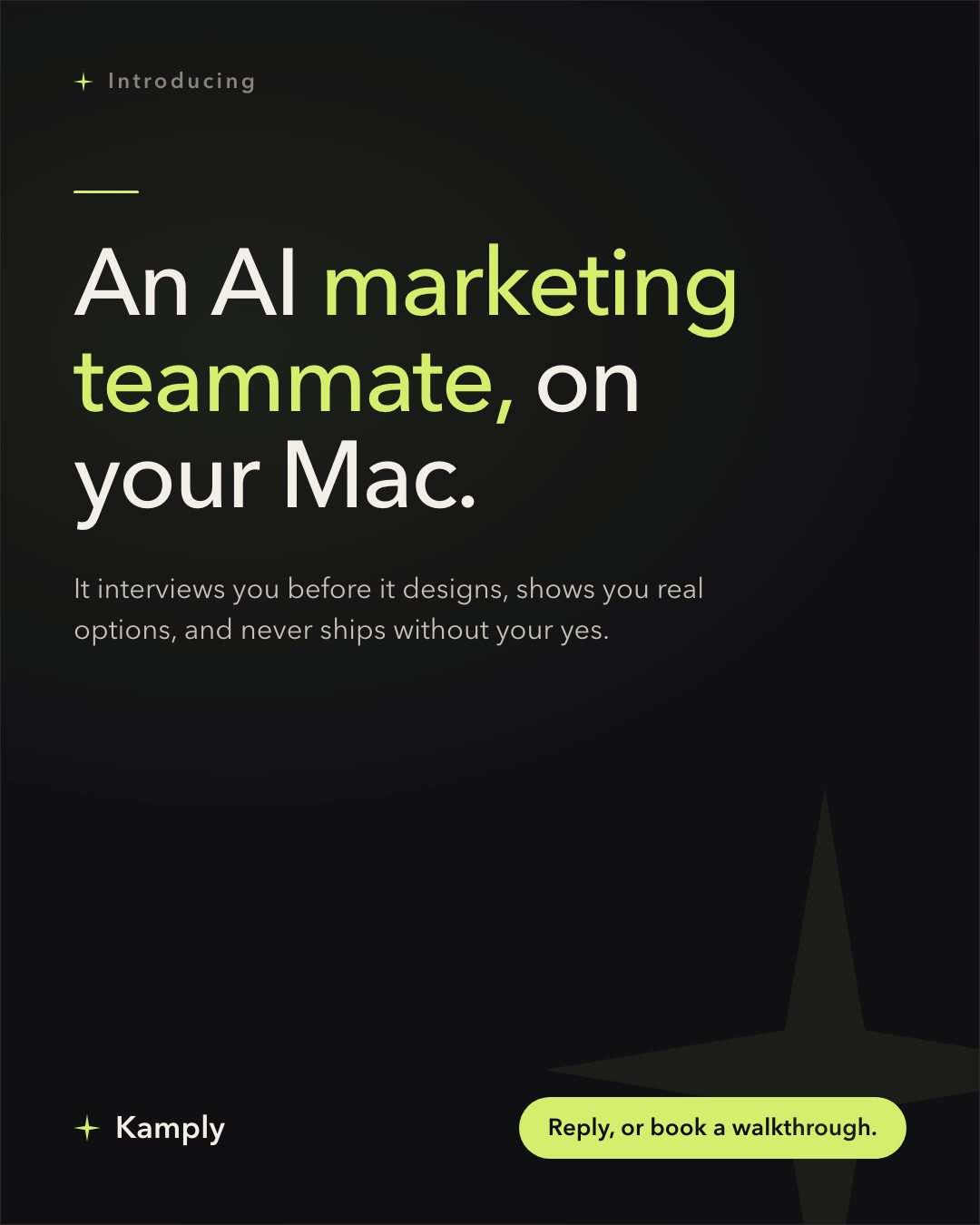
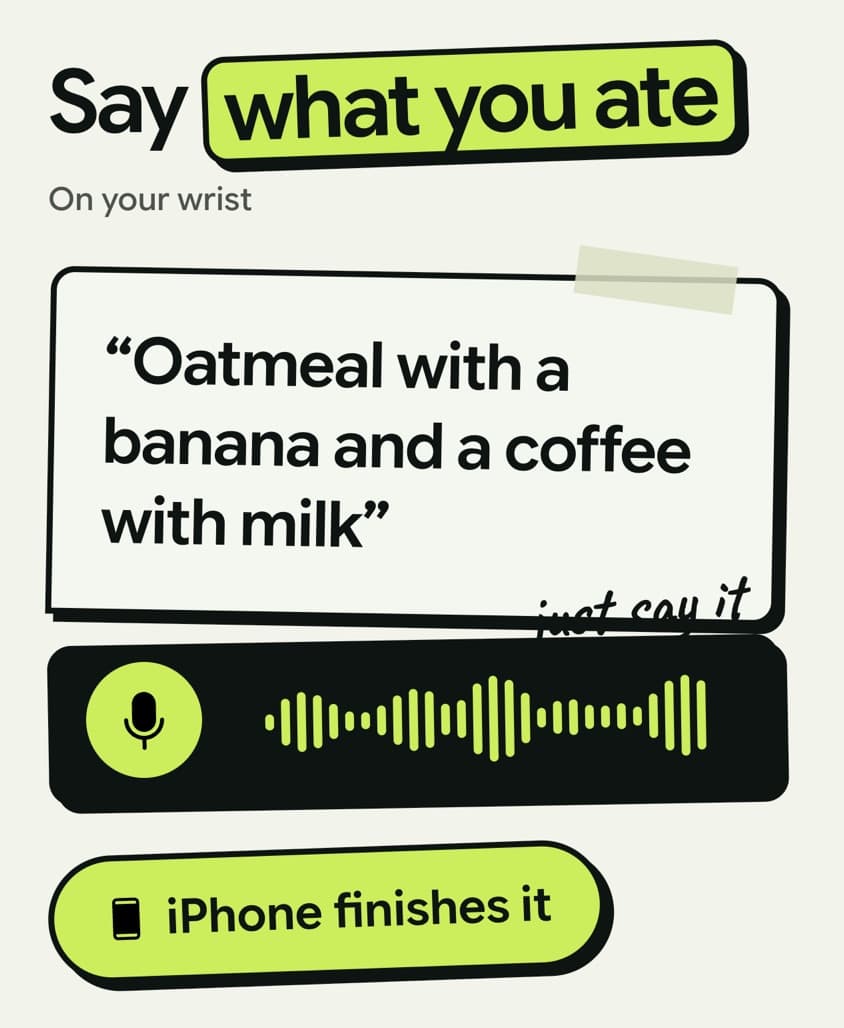
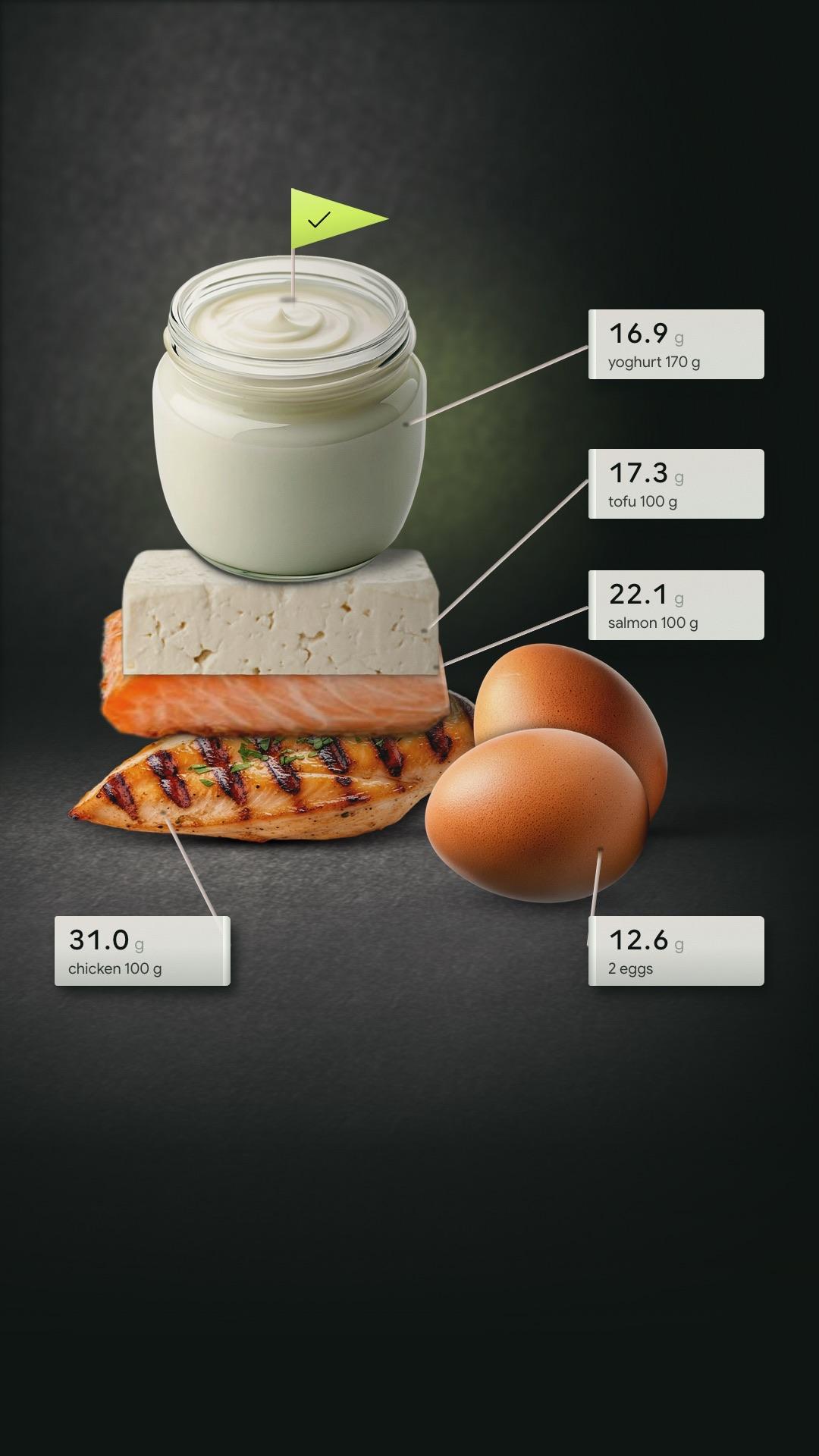
If yours isn't here, ask it in the walkthrough.
It’s built to refuse. Kamply doesn’t fabricate testimonials, user counts or performance claims. Its own checks treat an unsourced number as a defect, the same way they treat an off-palette colour.
The brand is compiled once into tokens (colour, type, spacing, voice) and every deliverable in every team references the same set. Consistency is enforced by construction.
On a Mac, as a desktop app. Your briefs, brand system and deliverables live in files you can inspect on your own machine.
Your own Claude Code or Codex CLI, running inside the app on your own subscription. It works from what you give it (the interview answers, your brand system, the locked brief) and returns files to your machine. The app publishes nothing anywhere; export is a file you take and ship through your own channels.
The brand is onboarded once (colours, type and voice compiled from your site plus a short interview) and every team then builds against the same tokens through the same gated pipeline. Governance doesn’t vary by team, because it’s the product’s only way of working.
Self-serve pricing is public ($69 a month or $499 a year), and enterprise is priced at the walkthrough: bring one real brief, watch the pipeline run on your brand, and we’ll talk numbers from what you saw. One subscription covers one brand, and each person who runs the app signs in with their own Claude or Codex plan.
We build the first direction with your brand during the walkthrough, and you see the stops it passes on the way: the locked brief, the gates it has to clear, and the named approval that ends it.